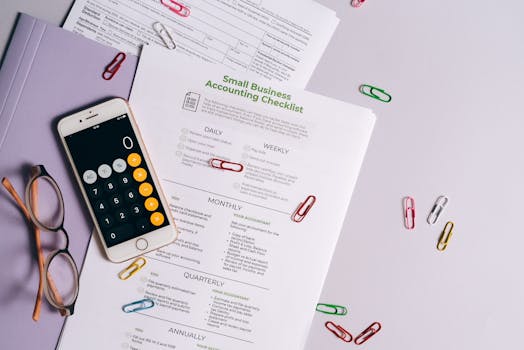
Small business owners juggle many responsibilities, but few tasks are as daunting—and as vital—as managing accounting and finance. According to a 2022 U.S. Bank survey, 82% of small business failures are linked to poor cash flow management and lack of financial oversight. With so much at stake, it’s no wonder that bookkeeping, budgeting, and tax compliance can become major sources of stress. But what if you could simplify these processes and keep your finances healthy without constant anxiety?
This guide explores practical, actionable strategies for managing accounting and finance in small businesses without stress. We’ll cover common challenges, smart automation tools, time-saving routines, the importance of financial literacy, and how to get support when you need it. Whether you’re a solopreneur or run a team, these insights will help you take control of your business’s financial well-being—without the headaches.
The Hidden Pitfalls of DIY Small Business Accounting
Many entrepreneurs start out handling their own finances to save costs. While this makes sense initially, it can quickly lead to stress and errors. The National Small Business Association reports that 60% of small business owners feel they are not knowledgeable about accounting and finance, and nearly 30% have made significant tax or bookkeeping mistakes as a result.
Common pitfalls include:
- Mixing personal and business expenses, which complicates tax filings and budgeting. - Using outdated spreadsheets, leading to errors and overlooked expenses. - Failing to reconcile accounts monthly, which can miss fraud or double charges. - Not setting aside money for taxes, resulting in cash flow crunches at year-end.It’s important to recognize these pitfalls early and implement strategies to avoid them. Investing a little time and money up front in accounting tools or expert help can save you from bigger, costlier headaches later.
Automate and Simplify: Accounting Tools for Stress-Free Finances
One of the smartest moves a small business owner can make is to automate repetitive accounting tasks. Cloud-based accounting software has revolutionized small business finance management, making it easier than ever to track income, expenses, and taxes in real time.
In 2023, over 64% of small businesses used some form of accounting software, up from just 45% in 2018 (Intuit QuickBooks data). These tools offer:
- Automatic transaction imports from your bank and credit cards - Real-time dashboards for cash flow and profit tracking - Invoicing and bill pay automation - Simple tax categorization and reportingHere’s a comparison of three popular small business accounting solutions:
| Feature | QuickBooks Online | Xero | Wave |
|---|---|---|---|
| Monthly Cost | $30–$90 | $13–$70 | Free |
| Automatic Bank Feeds | Yes | Yes | Yes |
| Invoice & Payment Tracking | Yes | Yes | Yes |
| Payroll Integration | Yes (add-on) | Yes (add-on) | No |
| Mobile App | Yes | Yes | Yes |
| Best For | All-round features, scalability | International businesses | Freelancers, very small businesses |
Choosing the right tool depends on your business size, budget, and whether you need advanced features like inventory management or multicurrency support. Even free tools like Wave can dramatically reduce manual entry and mistakes.
Establish Simple, Stress-Free Financial Routines
Automation helps, but regular routines are the backbone of low-stress accounting. Instead of letting receipts and invoices pile up, set aside just 15–30 minutes a week for financial housekeeping. Consistent habits help you catch issues early and keep your finances organized.
Try the following routines:
- $1 Review bank and credit card feeds, categorize new expenses, and send outstanding invoices. - $1 Match your bank statements to your accounting records. According to the Association of Certified Fraud Examiners, 42% of business fraud is detected through account reconciliation and management review. - $1 Analyze profit and loss statements, check your tax withholdings, and review cash flow projections. This helps you spot seasonal trends and plan for upcoming expenses. - $1 Don’t wait until tax season. Organize receipts, review deductible expenses, and flag any unusual transactions.By breaking accounting into small, regular tasks, you avoid the stress of marathon catch-up sessions and last-minute tax scrambles.
Boost Your Financial Literacy for Better Decision-Making
Many small business owners feel overwhelmed by financial jargon. But a basic understanding of accounting principles can empower you to make smarter decisions and reduce stress. The Small Business Administration found that owners who regularly review their financial statements are 37% more likely to grow their business.
Key concepts to master include:
- $1 Profit shows your overall earnings, but cash flow reveals if you have enough money to pay bills day-to-day. According to SCORE, 82% of failed businesses cited cash flow problems as a major factor. - $1 Knowing how much revenue you need to cover your fixed and variable costs helps you set pricing and sales goals. - $1 This tells you how much profit you keep after paying for goods or services sold. It’s crucial for pricing and cost control. - $1 Managing how quickly you collect payments and pay vendors impacts your cash position.You don’t need an accounting degree—many community colleges, business associations, and online platforms offer short, affordable courses on small business finance. Even a few hours of training can pay off in greater confidence and clarity.
When to Get Help: Outsourcing and Professional Support
Knowing when to call in an expert can save your business both time and money. A 2023 survey by Clutch found that 37% of small businesses outsource at least one accounting function, such as payroll, tax preparation, or bookkeeping.
Signs you might need professional help include:
- Spending more than 5 hours a week on accounting tasks - Facing complex tax requirements (e.g., multiple states, contractors) - Preparing for a loan application or investor pitch - Noticing frequent errors or missed deadlinesOptions for support range from hiring a part-time bookkeeper to working with a CPA or virtual CFO. Many accounting firms now offer remote packages tailored for small businesses, starting as low as $150–$300 per month.
Outsourcing doesn’t mean losing control; it means freeing up your time and reducing stress so you can focus on growing your business. Make sure to choose providers with experience in your industry and clear communication practices.
Adapting Your Accounting Strategy as Your Business Grows
Your financial management needs will evolve as your business expands. What worked when you were a team of one may not scale as you add employees, locations, or new product lines. Regularly review your accounting processes and tools to ensure they fit your current stage.
For example:
- Upgrade from spreadsheets to software as transaction volume increases. - Add payroll or inventory modules when you hire staff or start stocking products. - Review your chart of accounts yearly to ensure it matches your reporting needs. - Schedule annual meetings with your accountant to discuss tax strategies and growth planning.According to a 2021 QuickBooks survey, 58% of growing small businesses reported smoother operations after upgrading their accounting systems. By proactively adapting, you avoid stress and set your business up for long-term success.
Taking the Stress Out of Small Business Accounting: Key Takeaways
Managing accounting and finance doesn’t have to be a source of dread for small business owners. By avoiding common pitfalls, leveraging automation, sticking to simple routines, and building your financial knowledge, you can keep your books in order with minimal stress. Know your limits—when your needs get complex, don’t hesitate to seek professional help.
With the right approach, you’ll gain clearer insight into your business’s financial health, make better decisions, and free up your energy for what matters most: growing your business and serving your customers.